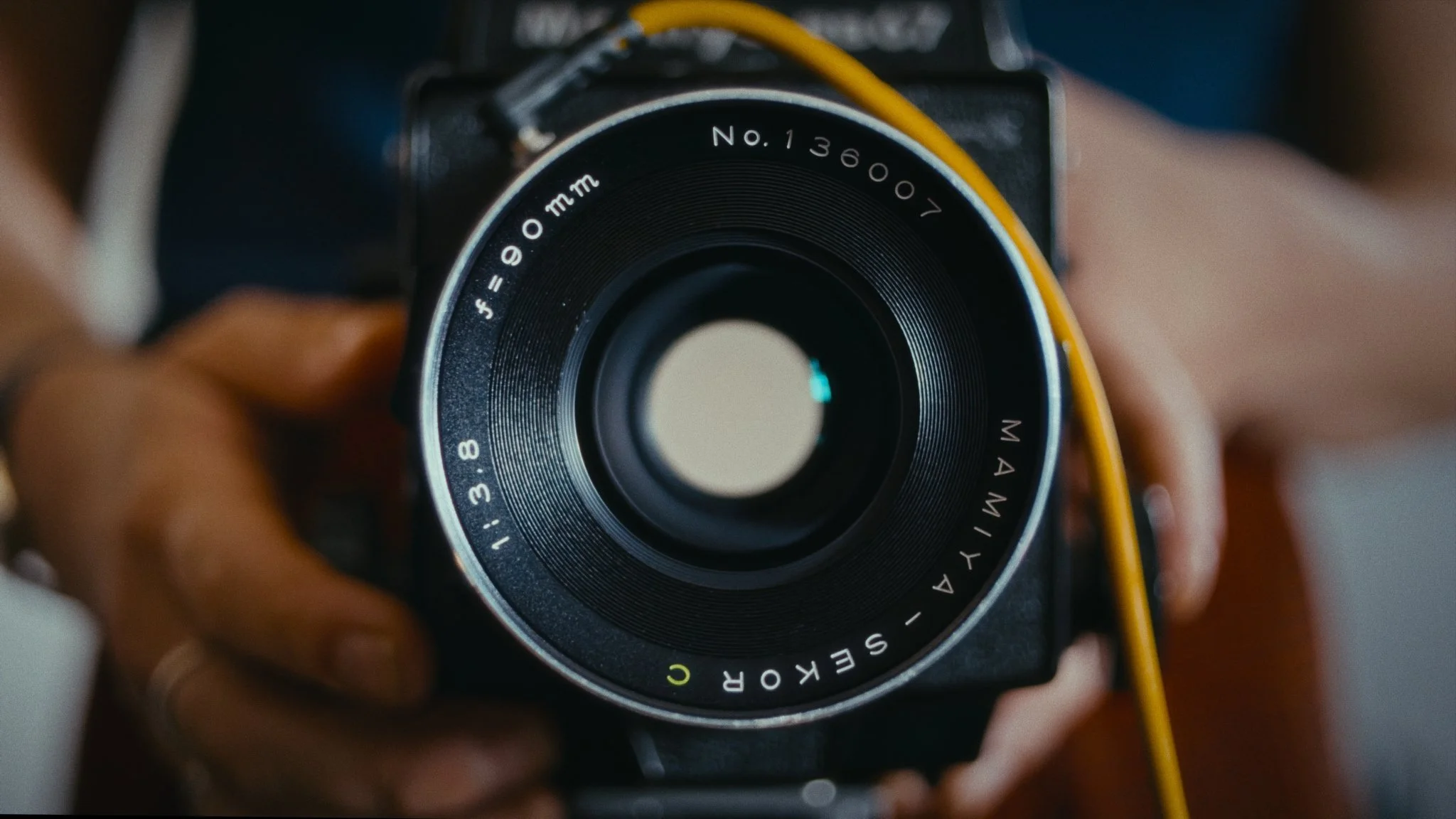
The Pitch
Elevator pitch.We make documentaries because they do what social can’t: they build trust, emotion and longevity. A well-crafted film gives brands depth through real people, cinematic storytelling and genuine purpose. It becomes an asset that keeps earning attention long after the first release, supporting social strategy rather than competing with it. We work lean, putting the budget where it matters most — on screen. The result is lasting value in authentic stories, beautifully told, that elevate brand perception, nurture loyal audiences and continue to deliver over time.
Strategy.Documentary
Format
Documentary is a format of trust. It’s not a fleeting flash, but a vehicle of depth, reflection and meaning. It gives brands space to breathe, to show as much as tell. Over recent years, branded documentaries have surged in frequency and prestige, tapping into audience appetite for substance.
Longer form
In our world, time is dictated by story, not by feed length or platform trends. If the narrative calls for 20 minutes, we honour that. If it’s 2, we lean in. And we always make sure that long-form work becomes the hub for spin-outs — cut-downs, teasers, stills, BTS; that enrich your social presence.
A documentary isn’t isolated, it becomes a content engine.
Celebration through story
A documentary is a love letter to your brand, to your people, to your purpose. It captures milestones, internal culture, passion moments, and the things your team and audience will look back on. More than a piece of content, it becomes a legacy: something to revisit, reference, and build from. It rewards those who already care and lets newcomers see why.
Authentic
Our subjects are real people. But we use cinematic tools — framing, pacing, light, sound — to heighten what’s already true. The end result isn’t staged; it’s curated.
We sharpen the emotional truth, allowing audiences to believe, to feel, to lean in.
High production value
We deliver Netflix-level, narrative-film quality. Because when visual polish meets authentic storytelling, brand value rises. We do this through lean but deeply experienced teams and decades of gear investment and relationships, and an ethos that the budget must land on screen. We believe our structure gives clients 5× return compared to a traditional production model — not just in output, but collaboration.
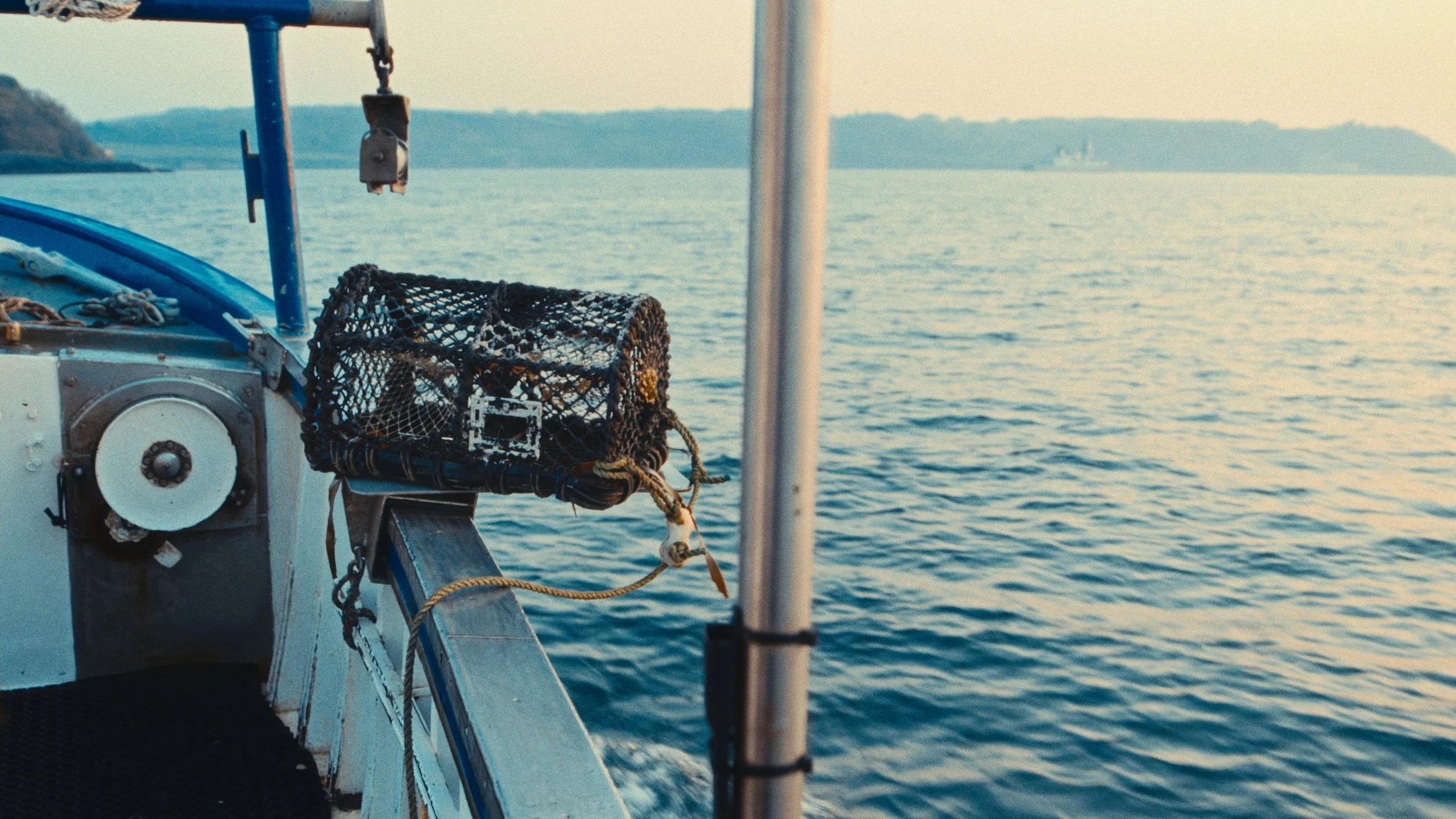
Costs & budgets.ROI
Longevity
A well-made documentary lasts. It’s not a campaign burst or a post that fades — it’s a piece of brand heritage that keeps earning attention over time. We think of it as a modest investment with years of return: timeless, high-quality content that sits alongside your shorter social work but holds its value far longer.
Reliance
Documentary strengthens your social strategy by reducing the dependence on it. When your audience trusts you, you don’t have to shout as loudly, especially when those views are organic, not paid for.
Long-form storytelling builds relationships and loyalty that make every future piece of content, communicate more effective — less influencer churn, fewer forced sales messages and more genuine advocacy.
Production value
We’re structured differently. We’re not an agency with layers of account handlers or a team of videographers chasing quick wins. We’re filmmakers — a director and cinematographer partnership with broadcast and feature experience. That means your budget ends up where it should: on screen.
Our hybrid model delivers the craft and visual integrity of a high-end film crew at a fraction of the cost of traditional routes. In practical terms, you access premium results without the overhead; more story, more quality, less waste.
Storytelling
What happens before we film is as important as the shoot itself. We spend time doing the groundwork — research, interviews, location studies, developing the emotional thread. That’s the difference between “content” and “story.” It’s the kind of invisible work that in-house teams often don’t have capacity for, but that ultimately saves time and cost during production.
We can work as closely or independently as you like, always in sync with your team and objectives. Our success is tied to yours, and we approach every project with the care of dedicated storytellers who value the craft as much as the outcome.
Collaborative
Our relationships don’t end with a file delivery. The stories we create together can grow, evolve and feed future work.
We see ourselves as long-term partners, helping shape a story-first strategy within your brand, with every film laying the groundwork for the next, building a connected ecosystem of content that grows in value over time.
HubSpot shows that evergreen video content delivers 3× higher lifetime engagement than reactive, campaign-based media in 2024.
82% of consumers say they prefer brands that “tell real stories” over those focused on promotion according to research by Think with Google, 2024.
A 2025 AdWeek study found that audiences equate higher production quality with up to 54% greater perceived brand credibility — independent of message or product.
Research from ScienceDirect and eMarketer shows that stories grounded in real characters, emotional threads and clear narrative structure generate stronger audience engagement, deeper emotional connection and greater brand recall than conventional content.
A Marketing Week 2025 survey indicates 74% of marketing leaders now view ongoing partnerships with small, specialist teams as key to creative success and output consistency.
Changing trends.Why it matters
Fandom
While a documentary can attract new audiences, it delivers something precious to your existing base. It says to your community: you matter.
You get first access, exclusive viewings, a newsletter-wall launch before public release. It deepens loyalty and turns passive followers into defenders.
Because when people feel seen, they stay… and they bring others with them.
Timeless
Social media is here now; its rules, platforms and algorithms shift constantly. A branded documentary resists those changes. It’s content that endures, that can be re-cut, relaunch, live across platforms and time. AI might change creation methods, but it can’t replicate lived authenticity, emotional nuance or intentional narrative. And short-form content, for all its reach, often has a half-life of a few days. A documentary continues to work, build trust and accrue value over years.
Stats & Trends
The demand for documentary storytelling is growing fast — a global market already worth over USD 5 billion and projected to nearly double by 2033 (Straits Research).
On platforms like YouTube, where 2.5 billion people watch every month, long-form film still delivers massive scale and unmatched engagement.
Research shows that while short-form content captures attention quickly, longer stories earn deeper interaction and richer audience response.
For brands, the message is clear: the appetite for meaningful content is alive and evolving. Social gives reach; long-form gives substance.
Exclusive
Because of the craft, the intention, and the bespoke nature of what we do, this kind of film is not for everyone. Many of your competitors will focus on social first, quick clips, influencer fuel. You can be different. We work selectively, deeply, with clients who share our commitment to film as a strategic asset, not an afterthought.
That scarcity gives the work and brand prestige and this approach ensures you always have our full attention.
Wider exposure
A high-quality film opens doors beyond your owned channels. It can land in film festivals, editorial media, niche platforms, trade publications, TV, partner channels, cultural programs — places where your brand is seen as serious, not just marketed. That exposure often happens organically: curated work begets curated showcases.
It gives your story a chance to be discovered anew.
In comparative research, while Shorts often capture views quickly, regular (“long-form”) videos tend to draw more comments per view and broader content variety — showing long-form content retains depth and diversity that short clips struggle with.
arXiv
The documentary films & shows market is currently valued at around USD 5.35 billion (2024), and is forecast to grow to USD 9.01 billion by 2033 (CAGR ~5.96 %).
Straits Research
YouTube now has 2.53 billion monthly active users (as of January 2025) — meaning long-form film content still reaches massive scale.
The Social Shepherd
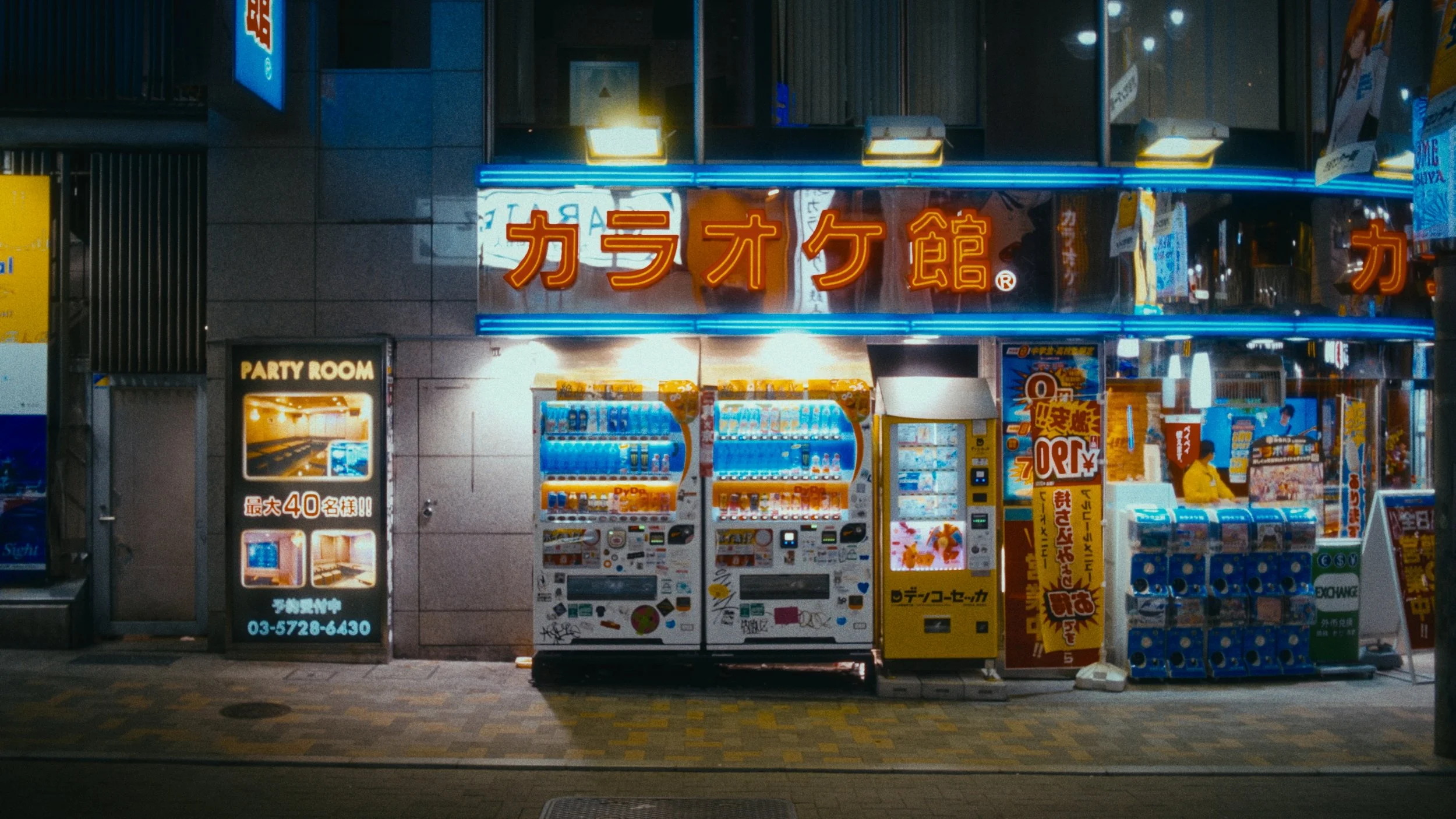
FAQCommon Questions
-
We make documentaries — real stories told with care, craft and atmosphere.
Our films are visually rich, emotionally honest, and built to last — the kind of work that feels more like a Netflix series than branded content, and is typically designed to support or complement an existing social strategy.We spend time understanding the people, places and purpose behind every story before a camera ever rolls. That’s what makes them feel genuine and thoughtful, not staged or hastily put together.
We also lean toward the artistic. Every frame, every sound, every choice is deliberate. We use the same cinema cameras trusted on films like Top Gun and Mission: Impossible — not just because it’s world-class equipment, but because the technology works seamlessly and stays out of the way, allowing the story to be told with the highest level of thought, creativity and attention.
-
We’re filmmakers, not videographers — and that’s not said with ego or disrespect. It’s simply a different mindset, a different level of craft, and a different experience behind the camera.
Our influences come from reportage photographers, photojournalists, high-end documentary series, classic cinema and beautifully crafted brand films — work that makes you feel something and changes how you see a brand. That blend of truth, composition and cinematic intent shapes everything we make.
Between us, we bring years of experience at the highest level of storytelling. James Stier was mentored through the British Society of Cinematographers by an Oscar-winning DOP and has shot multiple feature documentaries that have won international awards. James Copson has produced and directed global campaigns for brands including Nike, Google and Porsche. Together, that mix of documentary authenticity and commercial precision defines our approach.
While some of our projects cover live or unscripted moments, they always sit within a larger story. We plan, research and write the narrative upfront — we don’t rely on “fixing it in post.” Our process has more in common with narrative filmmaking, just with real people in real environments.
On location, we use lighting and sound as storytelling tools — not to fake reality, but to heighten it. The result is work that feels authentic, atmospheric and emotionally charged.
We also operate as a small, focused team rather than solo shooters. That collaboration gives us both agility and creative depth — the kind of production value usually reserved for much larger crews. And because our model is lean and transparent, clients get that higher level of attention and craft at a cost that’s genuinely accessible.
That’s the difference: we don’t just film what’s there. We craft stories that connect, endure and feel alive.
-
We believe a strong story doesn’t happen by accident — it’s built through time, trust and attention. Before we ever touch a camera, we invest in understanding what the film needs to say and who it’s really for.
That means research, planning and writing are at the heart of our process. We spend time with the people involved, visit locations, explore context and shape a narrative that’s grounded in truth. This upfront work is often the smallest part of the budget, yet it saves enormous cost and compromise later down the line.
We treat every project as a one-off. The film we’re making right now is our full focus — not one of several on the go. That singular approach gives us the space to dig deeper, refine ideas, and craft a story that resonates on a human level.
Once production begins, the groundwork pays off. The story already has shape and direction; filming becomes about capturing moments with authenticity rather than chasing them. Editing then becomes a process of refinement, not rescue.
Our storytelling approach is intentional and layered — emotional at its core, structured in its delivery, and designed to connect. It’s not about creating content for content’s sake; it’s about creating meaning that lasts.
-
We work with people who care. That’s the heart of it.
James Stier’s motto — creating work that matters with people who care — this captures what drives everything we do. It also reflects James Copson’s belief in collaboration — that the best work happens when trust and shared intent sit at the centre of every partnership.
We’re sector-agnostic. Our experience spans construction, hospitality, automotive and racing, art, technology and more. What unites our work isn’t the industry — it’s the intent. Whether we’re creating for a global brand or a heritage company like Ilford Photo / Harman Technologies, the scale changes — the commitment doesn’t.
What matters most is trust. We work best with teams who want to collaborate, who understand that meaningful storytelling takes time and empathy. We like long-term partnerships where we can really get under the skin of a brand and help shape how it’s seen.
We also recognise that our approach isn’t for everyone. This style of content creation sits at the high-end — considered, crafted and built for lasting impact. For companies focused purely on social output, that can feel daunting. But the truth is, short-term content is delivering diminishing returns. Algorithms change, attention fades, and engagement rarely lasts.
Our films are built differently. They create trust, depth and emotional connection that continue to deliver long after the first play — assets that strengthen brand identity and grow value over time.
At heart, we’re drawn to projects that have something human at their centre — people doing things with integrity, craft and care. Those are the stories we want to tell.
-
James² is built around two filmmakers — cinematographer James Stier and producer-director James Copson. Between us, we handle everything from the first idea to the final frame.
Essentially, we’re specialists with a broad overlap of skills.
James Stier trained at Apple, developing deep expertise in creative software and visual workflows, and later spent time grading at Company 3, learning from top colourists such as Greg Fisher. He works across all levels of production — from camera operator through to Head of Department as Director of Photography — supporting projects through budgeting, scheduling, logistics and technical decision-making, always in service of the story.James Copson brings vast experience in international production — having led shoots across Japan, the US and Europe for brands including PlayStation, UEFA and FaceIt, among many others. He specialises in creative ideation, planning, logistics, scheduling, budgeting and production management, alongside strong skills in post-production and editorial craft. Between us, we can take a project from concept to delivery — at a standard that rivals much larger teams.
When a project calls for it, we scale with a trusted network of collaborators — sound recordists, gaffers, editors, camera assistants and VFX artists — people chosen as much for their moral character as for their technical skill. They share our values: humility, reliability and care for the work.
Our model is deliberately lean. We have no agency bloat, no fancy offices, and no inflated mark-ups. In larger setups, budgets are often layered — agencies add their margin, production companies add theirs, and sometimes even crew follow suit. By the time anyone steps on set, costs can easily balloon 60% beyond what’s necessary. We’ve stripped that away.
James² was built on a simple principle: put more of the budget on screen. The more that shows in the final film, the better the result — for us, for the client, and for the audience. That’s the whole point.
Because we maintain close relationships with local, national and international rental houses, we can negotiate competitive rates for specialist equipment when needed. That flexibility means we can scale up quality and resources without losing control of costs.
We’re small by design — and that’s our strength. It keeps us focused, responsive and deeply invested. Every film we make carries our name, our integrity and our commitment to the people we’re working with.
-
What we do isn’t cheap — but for what we offer, we provide exceptional value.
We don’t work from a large office or post facility. Our dedicated home studios are purpose-built for editing, sound mixing and colour grading, allowing us to keep overheads low without compromising quality. When projects demand it, we collaborate with specialist production houses and post facilities — we know our limits and use the right tools for the right moment.
We work to standard BECTU, APA and broadcast production rates for our crew, ensuring fair pay and professional standards. However, for projects that span longer periods or require a more integrated approach, we can offer buyout rates for one or both of us across the duration. This keeps things simple, flexible and efficient — one point of contact, one unified creative approach.
For us, pre-production matters. Research, planning and preparation are what make great films possible. A buyout arrangement allows us to invest proper time upfront — visiting locations, building relationships and refining story direction — without driving up costs later.
As we often say: Preparation isn’t extra — it’s the difference between something watchable and something memorable.Our model is deliberately lean. We have no agency bloat, no unnecessary management layers, and no inflated pricing. In traditional setups, budgets are often padded through mark-ups at every stage.
Take a simple example. A production company hires a camera operator for a one-day shoot:
The operator’s base day rate is £500. Knowing they’re being hired through a large agency chain, they add 20%, taking it to £600.
They’re also supplying camera kit, say £200/day, which is typically marked up another 20%, bringing the total for that operator to £960.
The production company then adds its own 20% margin, raising the price to £1,152.
Finally, the agency marks it up again — often more than 20%, but let’s stay conservative — taking the total to around £1,380 for that one operator.
That’s a 175% increase before a single frame is shot. Multiply that across a modest five-person crew and a £3,000 true cost quickly swells to £4,800–£5,000 once all the layers of mark-up and overhead are added. Those same mark-ups usually extend across every department — art design, wardrobe, props, travel, catering, studio hire, even disposables— compounding the cost further.
That’s what often makes high-end work feel unaffordable. It’s what limits the time spent on proper research, planning and story development. It’s what prevents shoots from using the best equipment, the right crew and truly exceptional locations — the things that actually make a film memorable.
We’ve stripped all of that out. James² was built to put more of the budget on screen — maximising production quality and, ultimately, the success of the work for our partners.
We also own a large portion of our own high-end cinema equipment and maintain long-standing relationships with local, national and international rental houses. This allows us to negotiate competitive rates for specialist kit when required, scaling quality without inflating cost.
When comparing cost, it’s worth considering longevity. A videographer shooting quick-turnaround social content for a new product release might create something disposable — tied to one campaign, event or influencer. It works for a moment, then fades.
Our work is built to last. We craft stories with higher production value, emotional depth and timeless presentation — assets that continue to earn attention long after release. We can complement or replace social content, providing behind-the-scenes films, short cuts, stills and shareable assets that extend reach and keep the story alive across platforms.
We’re not anti-agency or anti-production company — far from it. What we do often complements existing strategies, offering a level of storytelling and craft that’s rarely obtainable through traditional routes. We simply work differently: direct, transparent and focused on putting every pound of your investment where it counts.
Higher quality, broader utility, longer life.
That’s why what we make costs more — and why, in the end, it’s worth far more. -
Yes — and more than that, we help you get the most from what we make together.
We handle all editing, colour grading, sound design and finishing in-house, working to feature and broadcast-level standards. That control ensures creative consistency — the tone, emotion and quality we capture on set are carried right through to delivery. Editing isn’t a separate stage for us; it’s the continuation of the storytelling process.
Once a film is complete, we help shape how it’s used. We can support your marketing or communications teams to think video-first — building a strategy around how your films are seen, shared and repurposed. That could mean delivering bespoke social cut-downs, behind-the-scenes films, stills, or vertical versions for specific platforms, or helping your team integrate consistent storytelling across campaigns.
We can also advise on strategic distribution — from collaborating with other channels and brand partners, to reaching new audiences through online communities, trade outlets or aligned platforms. We’ve supported projects that have gone on to film festivals, creative awards and industry competitions, as well as campaigns that have become long-term brand assets, still generating engagement years after release.
Because we understand both production and strategy, we can act as an extension of your internal team — helping you use video intelligently, not just frequently.
Our role doesn’t stop at delivering a file. We help ensure your investment works harder, travels further, and continues to deliver value long after the first play.
-
It really depends on the story. Some projects come together in a matter of weeks; others unfold over years.
Our film for The Peninsula Hotels London, supporting director Francisco Guerrero (working out of the Philippines), took around four years from first conversation to final delivery where we played a smaller part in the production process. The feature documentary The Last Fisherman followed a similar timeline but post-production was handled in house— real stories that needed time to evolve naturally. At the other end of the spectrum, our Ilford Photo / Lucy Ridges project came together in just one month, from initial brief to finished film.
The timeline depends on the depth of research, access to contributors, complexity of production, travel, brand approvals and how much story development is required. Some stories benefit from patience; others need to move quickly to capture a moment in time.
When speed matters, we can work fast. Because we own our equipment, handle post-production in-house, and operate as a small, agile team, we can turn projects around efficiently without compromising quality. Tight schedules don’t scare us — they just need clear communication and realistic expectations.
That said, the best results always come when we’re brought in early. Early involvement lets us shape the story properly — build relationships, plan logistics, and ensure every pound of the budget is working on screen, not lost in re-shoots or fixes later on.
We’re always happy to chat through ideas or discuss a project’s direction informally, with no commitment. Whether it’s an early concept, a creative treatment, or just a seed of an idea, we can help shape the best way forward — at whatever pace the story deserves.
-
Just get in touch — it really is that simple.
We like to start with a conversation, not a form. Tell us what you’re thinking, what story you want to tell, or even just what challenge you’re trying to solve. Whether it’s a rough idea, a campaign concept, or a fully formed brief, we’ll listen first and help you work out the best way forward.
There’s no commitment at that stage — just an open discussion about your goals, audience and creative direction. We can advise on scope, strategy, timelines and budget, and help shape what’s possible before anything formal begins.
If it feels like the right fit, we’ll develop a clear proposal: outlining the story, structure, schedule and budget in plain English, with everything fully transparent. From there, we move collaboratively — one project at a time, with full focus and care.
We also recognise that we’re not for everyone, and that’s perfectly fine. The kind of films we make take time, trust and shared intent. If our approach isn’t right for your goals, we’re happy to recommend other trusted filmmakers or production companies who might be a better match. The important thing is that your story finds the right home.
You can reach us directly via email, phone or LinkedIn, or just drop us a note with a rough idea to start the conversation. We’re filmmakers who love talking about stories — especially with people who care about making something that lasts.